Ikaria is one of only five places on Earth officially recognized as a "Blue Zone" — regions researchers have studied for their unusually high concentration of long-lived residents and comparatively low rates of chronic disease. Researchers studying these populations consistently point to one factor above almost all others: what people eat, how they eat it, and who they eat it with. On Ikaria, that diet is not a trend or a wellness fad. It is simply how people have always lived. These observations do not establish that the Ikarian diet prevents disease — but they have made it one of the most closely studied diets in longevity research.
At its core, the Ikarian diet is a variation of the traditional Mediterranean diet, but with its own distinct character shaped by the island's terrain. Ikaria is mountainous, with terraced hillsides, wild herbs growing between the rocks, and small family plots rather than industrial farms. The result is a diet built almost entirely around what the land provides locally and seasonally — and very little that comes from outside.
Wild Greens, Olive Oil, and Legumes
The backbone of the Ikarian table is "horta" — wild greens foraged from the hillsides and prepared simply, often boiled and dressed with local olive oil and lemon. Dozens of varieties of wild greens grow across the island, many of them rich in antioxidants and polyphenols that researchers believe play a role in reducing inflammation and supporting cardiovascular health.
Alongside the greens, legumes form a daily staple: chickpeas, black-eyed peas, lentils, and fava beans appear in soups and stews throughout the week. Olive oil is used generously — not as a garnish, but as a primary cooking fat, often produced from family-owned groves passed down through generations. Bread is typically made from sourdough, and dairy, when present, tends to be goat or sheep's milk rather than cow's.
"We don't have a diet here. We just eat what grows around us, the way our grandparents did." — A common sentiment among Ikarian elders
Herbal Teas and the Rhythm of the Day
Beyond food, Ikarians have a long tradition of drinking herbal teas made from wild rosemary, sage, oregano, and dandelion — many of which have mild diuretic, anti-inflammatory, or calming properties. These teas are woven into the rhythm of daily life: a cup in the morning, another in the late afternoon, often shared with neighbors on a porch overlooking the sea.
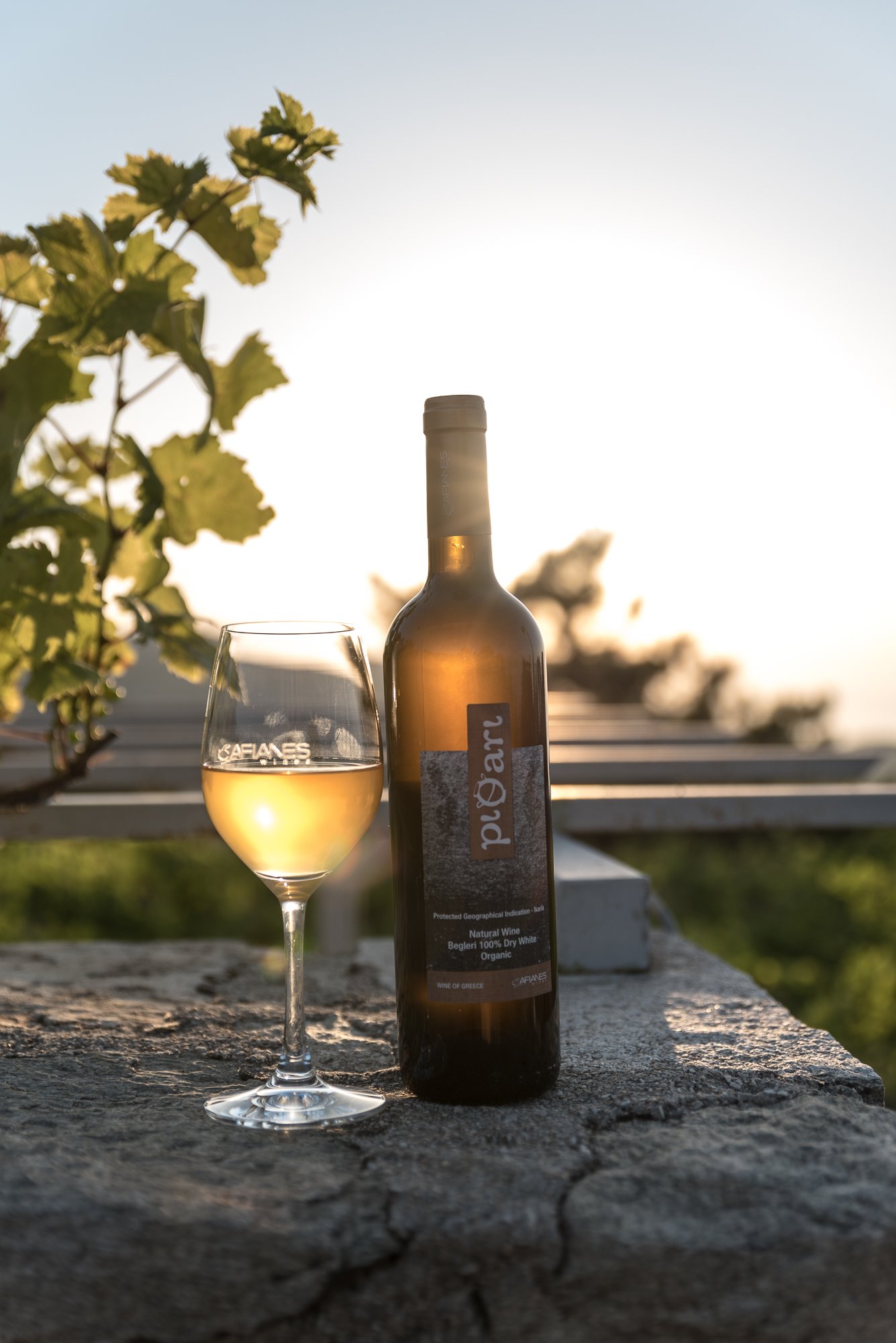
This unhurried pace is, researchers argue, just as important as any single ingredient. Meals on Ikaria are rarely eaten alone or in a rush. They are social events — extended lunches that stretch into the afternoon, dinners that begin late and continue with conversation long after the plates are cleared. The famous Ikarian panigiria, village festivals held throughout the summer, bring this communal eating culture to its fullest expression: long tables under string lights, homemade wine, slow-roasted meat, and music that goes on until dawn.
Bringing the Blue Zone Table to Your Stay
At Ikarian Endless Blue, the fully equipped kitchen invites guests to experience this way of eating firsthand — whether that means a simple breakfast of local yogurt, honey, and fruit on the terrace, or an evening meal built around vegetables and herbs from a nearby village market. Our concierge can connect you with local producers, small tavernas serving traditional Ikarian dishes, and family wineries where the island's distinctive wines are still made using methods passed down for generations.
For many guests, the most lasting souvenir of a stay on Ikaria is not an object but a habit: a slower way of eating, a renewed appreciation for simple ingredients, and the memory of a meal shared late into the evening with the Aegean Sea stretching out, endless and blue, beyond the table.